
Daily Detox Support Through Nutrition and the Gut Microbiome

Executive Summary
When people talk about “detox,” they often imagine harsh cleanses or short‑term programs. In reality, detoxification is something your body does every day, using well‑designed biological systems. The goal of a smart detox strategy is not to overwhelm those systems, but to support how they already work—especially in today’s world of unavoidable environmental exposure.
Heavy metals, industrial chemicals such as PFAS, microplastics, and air pollutants enter the body through food, water, air, and everyday products. The body relies primarily on the gut, liver–bile pathways, kidneys, microbiome, and antioxidant defenses to manage and eliminate these exposures. This article presents a practical, food‑first approach to daily detox support. It explains how greens—especially chlorella and spirulina—along with probiotics, dietary fibers (including beta‑glucans), liver‑support botanicals, sulforaphane‑rich foods, and antioxidant phytonutrients work together to support the body’s natural detox pathways.
Rather than focusing on a single ingredient, this approach emphasizes synergy, consistency, and everyday support.
Detox Begins in the Gut
The digestive tract is one of the body’s most important points of contact with the outside world. Many unwanted compounds enter through food, water, dust, and packaging. Some are absorbed into circulation, while others remain in the gut. The liver further processes many compounds and turns them into bile, which carries them back into the intestine for elimination through stool.
If digestion is sluggish, fiber intake is low, or the gut barrier and microbiome are compromised, some compounds can be reabsorbed instead of exiting the body. For this reason, supporting digestion, microbial balance, bile handling, and regular elimination forms the foundation for effective, long‑term detox support.
Greens as Foundational Detox Support: Chlorella and Spirulina
Greens have long been associated with detox support because they deliver concentrated nutrients, chlorophyll, and plant compounds that help the body function efficiently. Among green foods, chlorella and spirulina stand out for their unique and complementary roles.
Chlorella
Chlorella is a freshwater green microalgae that has been studied for its ability to interact with certain compounds in the gut.1 Researchers describe this as adsorption, meaning compounds can attach to the surface of chlorella’s cell wall. In simple terms, adsorption refers to particles sticking to the outside of a substance rather than being absorbed into it. This surface interaction may help chlorella act as a gentle, food‑based “escort,” supporting the movement of certain heavy metals through the digestive tract and out of the body.
Spirulina (Arthrospira platensis)
Spirulina supports detox in a different way. Rich in antioxidants such as phycocyanin, spirulina helps the body manage oxidative stress that can occur during environmental exposure.2
Research in laboratory and animal models shows protective effects against metals such as arsenic, cadmium, lead, and mercury. Human studies are most developed for arsenic exposure, where spirulina‑based interventions have shown improvements in relevant biological markers.3
Together, chlorella and spirulina offer a balanced approach—one focused on gut‑level support and the other on antioxidant resilience.
Probiotics, the Microbiome, and PFAS
PFAS—often called “forever chemicals”—are used for their water‑ and stain‑resistant properties and are found in cookware, food packaging, textiles, firefighting foams, contaminated water, and even some agricultural inputs such as fertilizers and soil amendments.
Emerging research has revealed that the gut microbiome may play a role in how PFAS are handled. A 2025 study found that certain gut bacteria can take up PFAS and increase their elimination in stool in animal models.4
While this science is still developing and highly strain‑specific, it suggests the microbiome may actively influence detox processes rather than simply being a passive bystander.5
From a practical perspective, probiotics are best understood as supporting detox indirectly—by maintaining microbial balance, supporting the intestinal barrier, and promoting normal digestive function—while research continues to explore their more targeted interactions with environmental chemicals.
Fiber, Bile, and Elimination
Dietary fiber is one of the simplest and most powerful tools for daily detox support. Fiber keeps digestion moving, supports regular bowel movements, and helps reduce the chance that unwanted compounds will be reabsorbed.
This function is especially important for compounds that circulate through bile, including PFAS. Soluble, gel‑forming fibers can bind bile acids and help carry bile‑associated compounds out of the body. Beta‑glucans, found in foods like oats, yeast, and mushrooms, are particularly effective at forming viscous gels in the digestive tract. Early studies suggest diets rich in beta‑glucans may support greater elimination of certain persistent compounds.6
Other fibers—including acacia (gum arabic), chicory inulin, flaxseed, and apple pectin—add additional benefits by feeding beneficial bacteria, improving stool consistency, and supporting healthy bile handling.7,8,9,10
Antioxidants, Phytonutrients, and Enzyme Activation
Environmental exposure places extra demands on the body’s antioxidant and detox enzyme systems. Antioxidants and phytonutrients do not “grab” toxins directly. Instead, they help the body stay resilient by supporting redox balance, mitochondrial function, and cellular repair.11,12
A standout example is sulforaphane, a compound derived from cruciferous vegetables such as broccoli sprouts. A randomized clinical trial in China found that a sulforaphane‑rich beverage significantly increased the excretion of air pollutants like benzene and acrolein, an effect linked to activation of the body’s own detox enzymes through the Nrf2 pathway.13 A related human trial in the same region showed that glucosinolate‑rich broccoli sprouts also increased urinary clearance of other environmental carcinogens through the same Nrf2‑dependent mechanism.14 Together, these provide some of the strongest human evidence that diet can meaningfully influence detox capacity. Researchers believe these same pathways may also help the body process other chemicals such as bisphenols and phthalates, although more human data are still needed.
Liver Support and Bile Flow
The liver plays a central role in detoxification by transforming compounds and directing them toward elimination, often through bile. Certain botanicals—including milk thistle (standardized for silymarin), dandelion root, and burdock root—have a long history of use and are supported by scientific research for their antioxidant and liver‑supportive properties.15,16,17
Supporting liver health works hand‑in‑hand with gut‑level strategies, especially for compounds that rely on bile flow for removal.
Microplastics and Emerging Gut Research
Microplastics have been detected in human stool, confirming that they regularly pass through the digestive tract.18 Early research suggests that certain probiotic strains may help bind microplastic particles in the gut and support their elimination.19
Soluble fibers also appear to play a role. When hydrated, fibers such as beta‑glucans form gel‑like matrices that can physically trap particles and help move them through the intestines. While human studies focused specifically on microplastic removal are still limited, this mechanism fits well with established principles of fiber‑mediated elimination.
Practical Daily Detox Framework
Effective detox support is not about a single ingredient or short‑term program. It is about consistency and synergy—supporting multiple systems at once. A practical daily approach includes gut‑level binding and escort, microbial balance, bile‑mediated elimination, enzyme activation, antioxidant defense, and regular elimination.
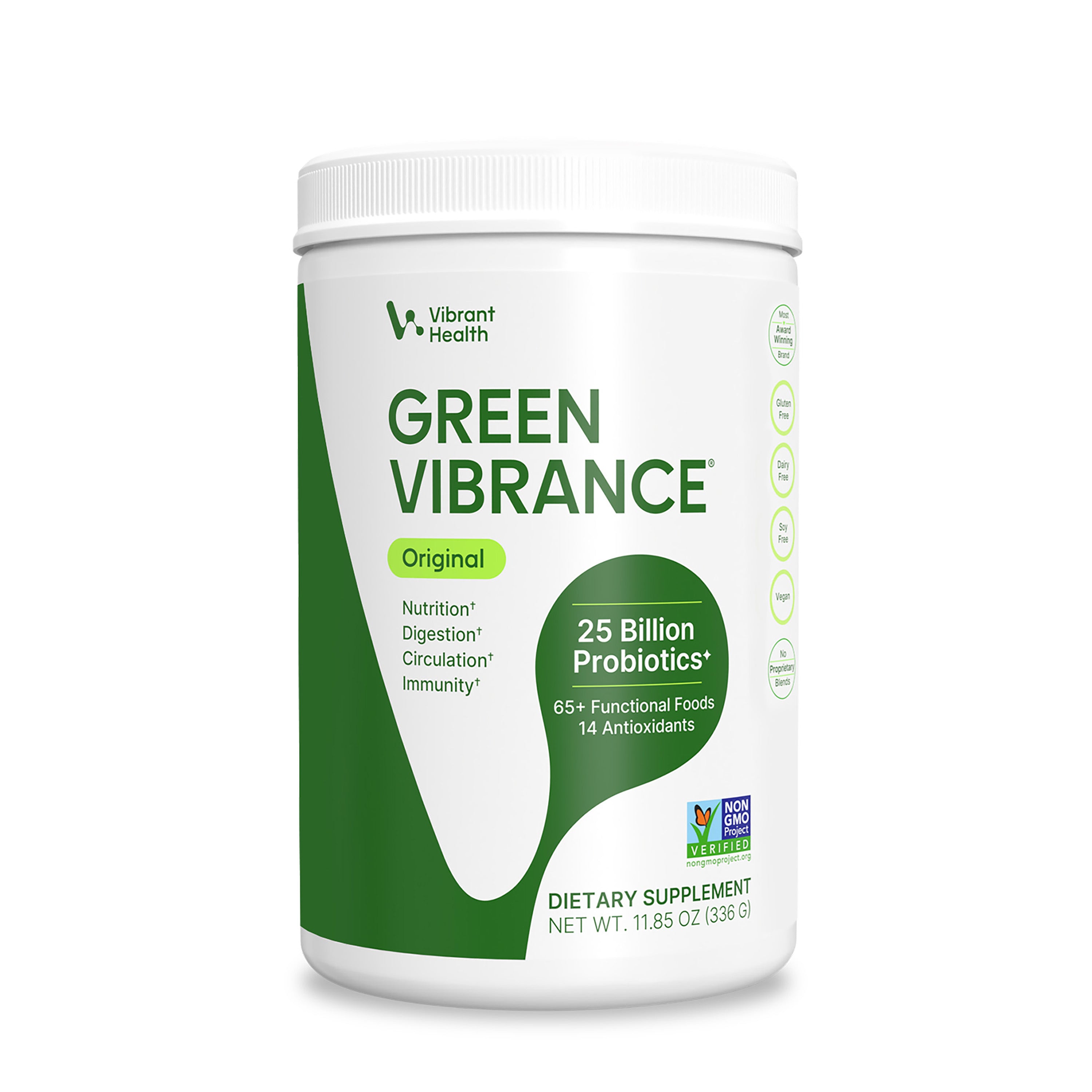
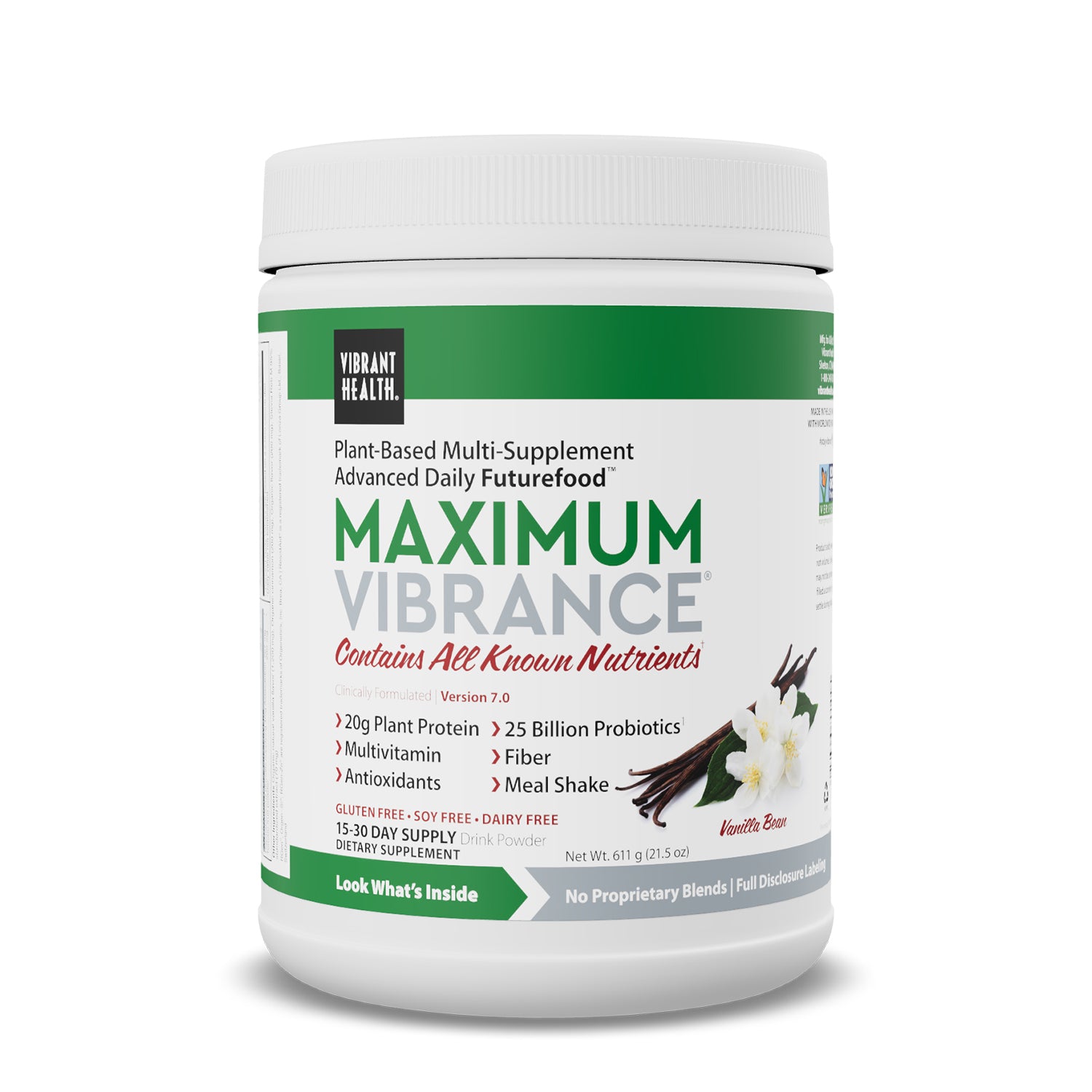
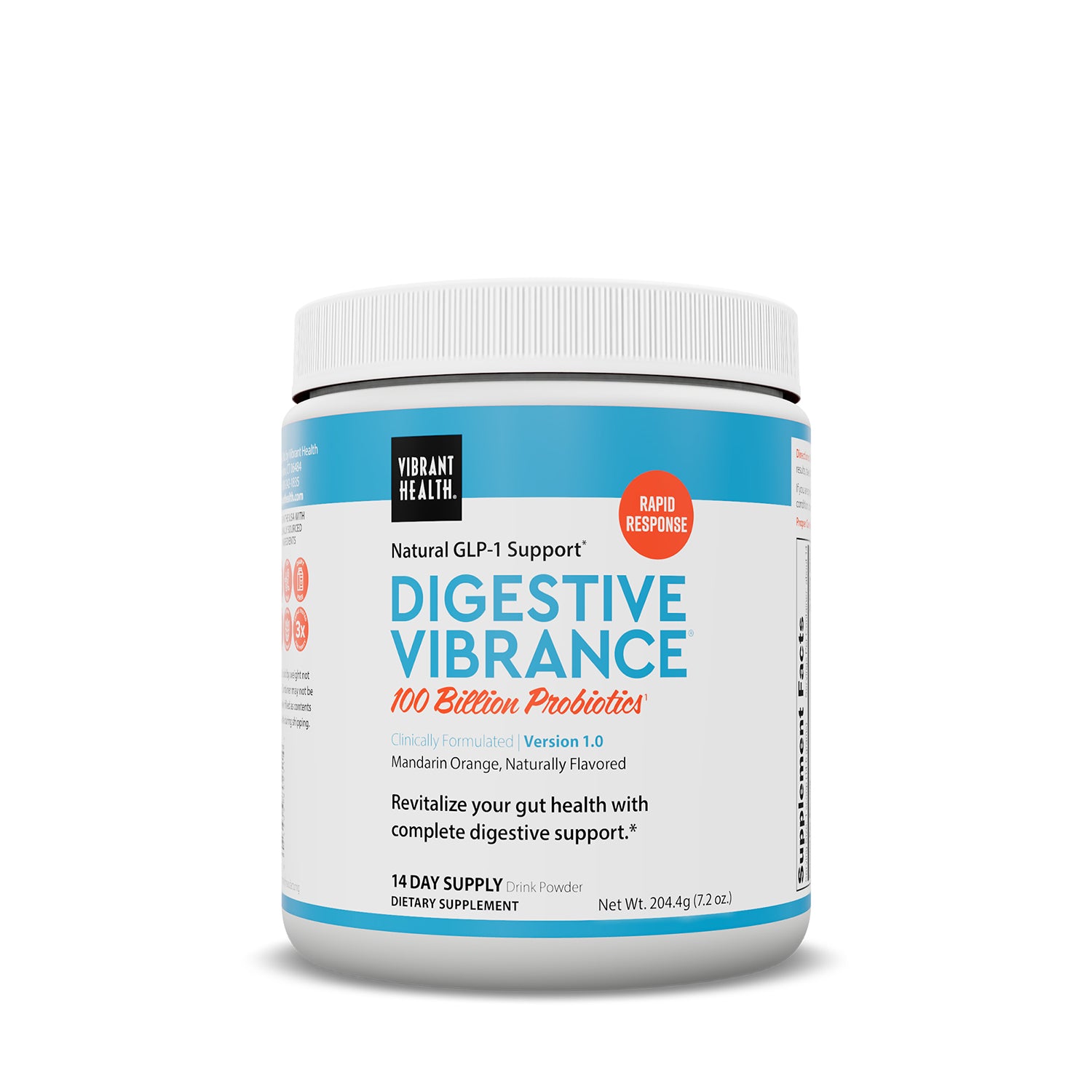
Within this framework, Green Vibrance® and Maximum Vibrance® are designed to bring these elements together through greens and algae, probiotics and prebiotics, functional fibers including beta‑glucans, antioxidant phytonutrients, sulforaphane‑supportive pathways, and liver‑support botanicals. Digestive Vibrance® complements this foundation by focusing on digestion, elimination, and gut barrier support through targeted fiber, antioxidants, high‑potency probiotics, and L‑glutamine.20
Takeaway
Detoxification is a continuous process woven into everyday physiology. By supporting the gut microbiome, liver–bile pathways, detox enzymes, and antioxidant defenses, nutrition plays a central role in how the body naturally handles environmental exposure. A food‑first strategy built on greens, probiotics, fiber, phytonutrients, and supportive botanicals offers a practical and sustainable foundation for daily detox support.
 |
 |
 |
|
Shop Green Vibrance → |
Shop Maximum Vibrance → |
Shop Digestive Vibrance → |
Frequently Asked Questions
What does it mean to “detox” the body naturally?
Natural detoxification is the body’s ongoing process of managing and eliminating everyday compounds through the gut, liver, kidneys, and microbiome. It happens continuously rather than during a short-term cleanse, and it can be supported through diet, fiber intake, and gut health rather than restrictive protocols.
What foods support the body’s natural detox pathways?
Foods that support the body’s detox systems include green foods like chlorella and spirulina, fermented and probiotic-rich foods, fiber sources such as oats, flaxseed, chicory, and apple, cruciferous vegetables like broccoli sprouts, and liver-supportive botanicals such as milk thistle and dandelion root.
Can chlorella and spirulina help the body handle heavy metals?
Chlorella has been studied for its ability to bind certain heavy metals in the digestive tract, supporting their movement out of the body, while spirulina supports the body’s antioxidant defenses during metal exposure. Most of this evidence comes from laboratory and animal research, with the strongest human data specific to arsenic exposure.
Does fiber help the body process PFAS (“forever chemicals”)?
Emerging research suggests that soluble, gel-forming fibers such as oat beta-glucan may bind bile acids in a way that also helps carry PFAS out of the body through stool, since PFAS circulate through the same bile pathways. This research is still early, and fiber is not a substitute for reducing PFAS exposure at the source.
How do broccoli sprouts support detoxification?
Broccoli sprouts contain glucosinolates that convert to sulforaphane, a compound shown in human clinical trials to activate the body’s own detox enzymes through the Nrf2 pathway and increase urinary excretion of certain air pollutants.
Are microplastics found in the human digestive system?
Yes. Researchers have detected microplastic particles in human stool, confirming that they pass through the digestive tract. Early research is exploring whether certain probiotic strains and soluble fibers may help bind and move these particles through the intestines.
Sources
- Yadav, M., Kumar, V., Sandal, N., & Chauhan, M. K. (2022). Quantitative evaluation of Chlorella vulgaris for removal of toxic metals from body. Journal of Applied Phycology, 34, 2743–2754. https://doi.org/10.1007/s10811-021-02640-8
- Bhattacharya, S. (2020). The role of Spirulina (Arthrospira) in the mitigation of heavy-metal toxicity: An appraisal. Journal of Environmental Pathology, Toxicology and Oncology, 39(2), 149–157. View source
- Misbahuddin, M., Islam, A. Z. M., Khandker, S., Ifthaker-Al-Mahmud, Islam, N., & Anjumanara. (2006). Efficacy of spirulina extract plus zinc in patients of chronic arsenic poisoning: A randomized placebo-controlled study. Clinical Toxicology, 44(2), 135–141. https://doi.org/10.1080/15563650500514400
- Lindell, A. E., Grießhammer, A., Michaelis, L., et al. (2025). Human gut bacteria bioaccumulate per- and polyfluoroalkyl substances. Nature Microbiology, 10, 1630–1647. https://doi.org/10.1038/s41564-025-02032-5
- University of Cambridge. (2025). Gut microbes could protect us from toxic “forever chemicals.” https://www.cam.ac.uk/research/news/gut-microbes-could-protect-us-from-toxic-forever-chemicals
- Schlezinger, J. J., Biswas, K., Garcia, A., Heiger-Bernays, W., & Bello, D. (2025). An oat fiber intervention for reducing PFAS body burden: A pilot study in male C57Bl/6J mice. Toxicology and Applied Pharmacology, 495, 117188. https://doi.org/10.1016/j.taap.2024.117188
- Cherbut, C., Michel, C., Raison, V., Kravtchenko, T., & Méance, S. (2003). Acacia gum is a bifidogenic dietary fiber with high digestive tolerance in healthy humans. Microbial Ecology in Health and Disease, 15, 43–50. https://doi.org/10.1080/08910600310014377
- Watson, A. W., Houghton, D., Avery, P. J., et al. (2019). Changes in stool frequency following chicory inulin consumption, and effects on stool consistency, quality of life and composition of gut microbiota. Food Hydrocolloids, 96, 688–698. https://doi.org/10.1016/j.foodhyd.2019.06.006
- Khalesi, S., Irwin, C., & Schubert, M. (2015). Flaxseed consumption may reduce blood pressure: A systematic review and meta-analysis of controlled trials. Journal of Nutrition, 145(4), 758–765. https://doi.org/10.3945/jn.114.205302
- Aprikian, O., Duclos, V., Guyot, S., Besson, C., Manach, C., Bernalier, A., Rémésy, C., & Demigné, C. (2003). Apple pectin and a polyphenol-rich apple concentrate are more effective together than separately on cecal fermentations and plasma lipids in rats. Journal of Nutrition, 133(6), 1860–1865. https://pubmed.ncbi.nlm.nih.gov/12771330/
- Halliwell, B., & Gutteridge, J. M. C. (2015). Free Radicals in Biology and Medicine (5th ed.). Oxford University Press. https://academic.oup.com/book/40045
- Jones, D. P., & Sies, H. (2015). The Redox Code. Antioxidants & Redox Signaling, 23(9), 734–746. https://doi.org/10.1089/ars.2015.6247
- Egner, P. A., Chen, J. G., Zarth, A. T., et al. (2014). Rapid and sustainable detoxication of airborne pollutants by broccoli sprout beverage: Results of a randomized clinical trial in China. Cancer Prevention Research, 7(8), 813–823. https://aacrjournals.org/cancerpreventionresearch/article/7/8/813/50355/
- Kensler, T. W., Chen, J. G., Egner, P. A., et al. (2005). Effects of glucosinolate-rich broccoli sprouts on urinary levels of aflatoxin-DNA adducts and phenanthrene tetraols in a randomized clinical trial in He Zuo Township, Qidong, People’s Republic of China. Cancer Epidemiology, Biomarkers & Prevention, 14(11), 2605–2613. https://pubmed.ncbi.nlm.nih.gov/16284385/
- Federico, A., Dallio, M., & Loguercio, C. (2017). Silymarin/Silybin and chronic liver disease: A marriage of many years. Molecules, 22(2), 191. https://doi.org/10.3390/molecules22020191
- Mahboubi, M., & Mahboubi, M. (2020). Hepatoprotection by dandelion (Taraxacum officinale) and mechanisms. Asian Pacific Journal of Tropical Biomedicine, 10(1), 1–10. https://doi.org/10.4103/2221-1691.273081
- Chan, Y. S., Cheng, L. N., Wu, J. H., Chan, E., Kwan, Y. W., Lee, S. M., Leung, G. P., Yu, P. H., & Chan, S. W. (2011). A review of the pharmacological effects of Arctium lappa (burdock). Inflammopharmacology, 19(5), 245–254. https://doi.org/10.1007/s10787-010-0062-4
- Schwabl, P., Köppel, S., Königshofer, P., et al. (2019). Detection of various microplastics in human stool: A prospective case series. Annals of Internal Medicine, 171(7), 453–457. https://doi.org/10.7326/M19-0618
- Teng, X., Zhang, T., & Rao, C. (2024). Novel probiotics adsorbing and excreting microplastics in vivo show potential gut health benefits. Frontiers in Microbiology, 15, 1522794. https://doi.org/10.3389/fmicb.2024.1522794
- Abbasi, F., Haghighat Lari, M. M., et al. (2024). A systematic review and meta-analysis of clinical trials on the effects of glutamine supplementation on gut permeability in adults. Amino Acids, 56, 60. https://doi.org/10.1007/s00726-024-03420-7
Green Vibrance®, Maximum Vibrance®, and Digestive Vibrance® are registered trademarks of Vibrant Health®.
This article is for informational purposes only and has not been evaluated by the FDA. This product is not intended to diagnose, treat, cure, or prevent any disease.
Why Trust Vibrant Health?
At Vibrant Health, we've been pioneers in science-backed nutrition for over 30 years, formulating transparently sourced superfood supplements that prioritize real results. Our blog is an extension of that commitment—a trusted resource for expert-driven wellness insights.
Every article is crafted with nutrition expertise, backed by the latest scientific research, and reviewed by our in-house Certified Health Coaches and Product Educators. We break down complex health topics into practical, actionable advice—helping you make informed choices about superfoods, supplementation, and holistic wellness. As a brand that has earned thousands of 5-star reviews and the trust of health professionals, we ensure that our content reflects the same quality, integrity, and transparency as our products.
Your wellness journey deserves accurate, credible, and empowering guidance. That's why Vibrant Health's blog is here—to help you live a healthier, more vibrant life, backed by real expertise
Jodi Schneider
Certified Health Coach and Product Consultant at Vibrant Health
Jodi Schneider is a Certified Health Coach and Product Consultant at Vibrant Health, with a Nutrition and Healthy Living Certification from Cornell University. For nearly six years, she's helped customers navigate their wellness journey, making nutrition simple and approachable. Passionate about holistic health, she believes wellness is about balance—nourishing the body, staying active, and caring for emotional well-being. Outside of work, you'll find her hiking with her dogs, meditating, or fueling her day with Spectrum Vibrance
Next to Read
Science
Which Form of Zinc Should You Take?
Zinc labels list the form in the fine print, and it matters less than you'd think. Here's how oxide, gluconate, citrate, glycinate, and picolinate compare in human studies, where the research runs thin, and which habits shift absorption as much as the form you buy.
October 05, 2026
RecipesHow Do You Make a Low Sugar Green Smoothie?
Most green smoothies are really fruit smoothies with some spinach added. If you want yours less sweet, split up the two jobs fruit does. Frozen vegetables and a little fat handle texture. Berries, citrus, and spice handle flavor. Here's the build, plus one frozen-vegetable safety step most recipes skip.September 28, 2026
RecipesWhat Goes in a Post-Workout Greens Smoothie?
A post-workout smoothie needs protein, carbohydrate, and fluid. A greens powder isn't any of the three, and building the shake around it is how people end up with something that doesn't do the job. Here's the order that works, and where greens genuinely fit.
September 21, 2026

Start Feeling Your Best Today
You know what we stand for, now it’s time to experience it for yourself. Start your wellness journey with trusted formulas that support real, lasting change.

Free Shipping on Orders $55+
Skip the fees—shipping's on us when you spend $55 or more.

30-day Satisfaction Guarantee
Not feeling the difference? Return it within 30 days—no questions asked.

Subscribe & Save
Stay consistent, save money—get your favorites delivered on your schedule.
As Seen In


